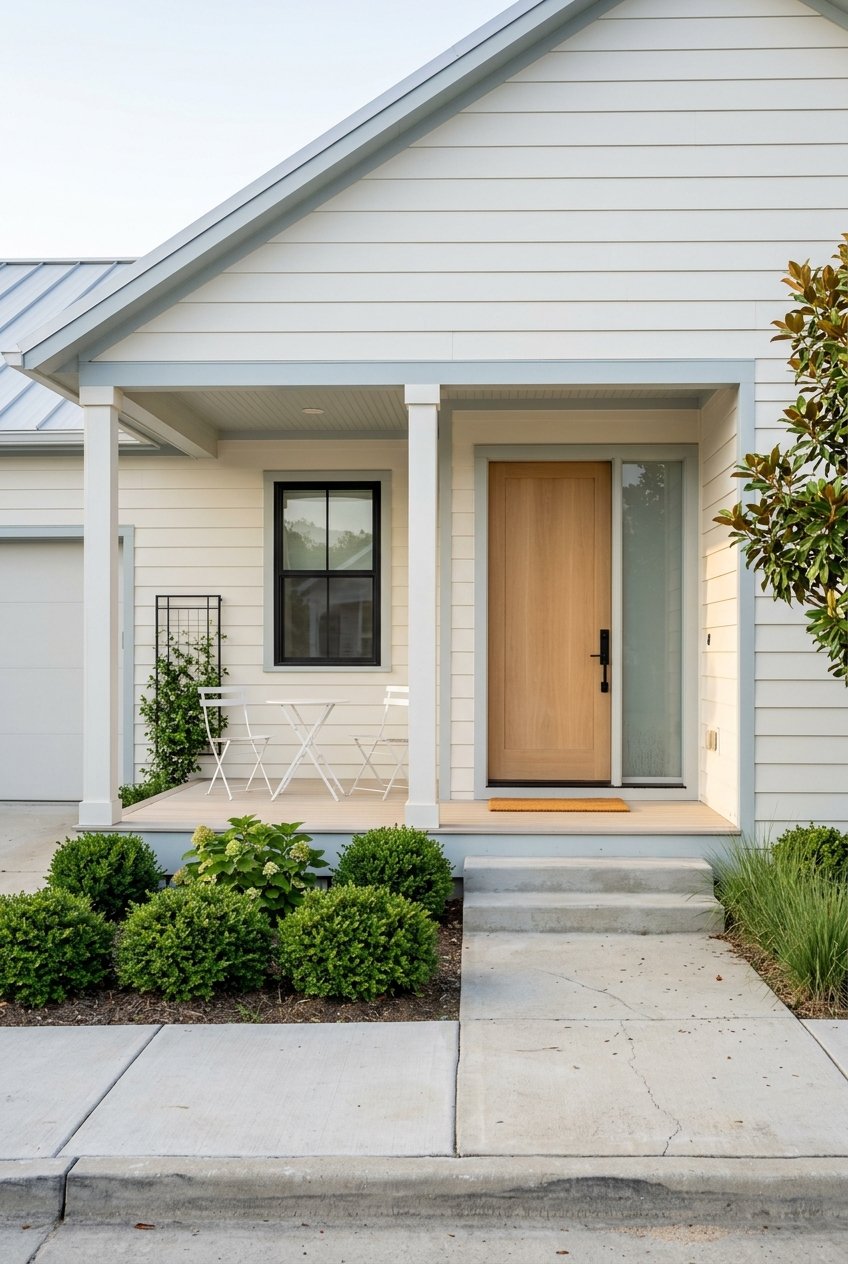
Norfolk Condo vs House: How to Choose the Right Fit
May 14, 2026
May 14, 2026
Trying to decide between a condo and a single-family home in Norfolk? You are not alone. For many buyers, the choice comes down to a mix of budget, maintenance, location, and how you want daily life to feel. If you are weighing your options in Norfolk, this guide will help you compare the real trade-offs so you can move forward with more confidence. Let’s dive in.
If you are starting with budget, condos are usually the lower-entry option in Norfolk right now. Current listing snapshots show a median condo listing price of about $280,000 compared with about $325,000 for whole-house listings.
That puts the gap at roughly $45,000. Still, both categories include a range of properties, from more affordable options to higher-end homes, so your actual choices will depend on the neighborhood, size, condition, and amenities you want.
Citywide, the median sale price across all Norfolk home types was about $318,000 in March 2026. That gives you a helpful middle-ground reference if you are trying to understand how condos and detached homes fit into the broader market.
The purchase price is only part of the story. In Norfolk, the real estate tax rate is $1.23 per $100 of assessed value, so the bigger monthly-cost differences usually come from HOA or condo fees, insurance, and maintenance.
For many condo owners, insurance may cost less than it would for a single-family home. But that savings can be offset by monthly association dues and, in some communities, special assessments for major one-time expenses.
With a single-family home, you may avoid condo dues, but you take on more direct costs yourself. Roof work, siding repairs, landscaping, and exterior upkeep are typically your responsibility unless the property is in a development with its own HOA structure.
Norfolk also offers real estate tax relief or deferral for qualifying homeowners age 65 and older or those who are permanently and totally disabled. If that may apply to you, it is worth factoring into your long-term planning.
One of the biggest lifestyle differences is maintenance. Under Virginia’s Condominium Act, the unit owners’ association is generally responsible for common elements, including repair and replacement tied to shared areas.
That is why condos often feel lower-maintenance in everyday life. You are usually not handling the same level of exterior upkeep, and you may have fewer routine tasks on your plate.
That said, condo living is not maintenance-free. You are still responsible for your unit itself unless the issue starts in the common elements or related equipment, and major building needs can still affect you through dues or special assessments.
With a single-family home, you usually have more control over the property, but you also carry more of the hands-on responsibility. If you like managing your own space and want fewer shared decisions, that may feel like a better fit.
Where you want to live in Norfolk can shape this decision just as much as budget does. Some areas naturally lend themselves to condo living, while others make single-family searches easier.
Downtown Norfolk is one of the city’s most urban housing environments. City planning materials describe it as a walkable, active, connected urban core, and residential use in the Downtown Historic District is often found on upper floors, while East Freemason includes townhouse and condominium infill.
The city’s assessor report also tracks condo market areas in:
Current condo search patterns also commonly surface places like Downtown Norfolk, Larchmont-Edgewater, Ghent, East Ocean View, and Ocean View. That does not mean every home there is a condo, but it does suggest where condo inventory is more likely to be part of the conversation.
If you are focused on detached homes, established residential areas may offer more options. Ghent is a good example, since city historic materials note that it was originally platted for single-family homes, even though the area now includes a mix of housing types.
Current whole-house searches commonly surface:
These areas can be especially useful starting points if you want more yard space, more separation from neighbors, or more control over exterior changes.
Some Norfolk submarkets blur the line between condo convenience and house-style living. East Beach in Ocean View is one example, with a planned waterfront mix that includes townhomes, single-family homes, cottages, and carriage houses.
If you are drawn to coastal living, this kind of mixed housing area can give you more flexibility. You may be able to find a home that offers lower-maintenance living without fully giving up the feel of a traditional house.
The best choice often comes down to how you want your day-to-day life to work. A condo and a single-family home can both be smart purchases, but they support different routines.
A condo may make sense if you want:
This can appeal to first-time buyers, busy professionals, and military households moving to or within Hampton Roads. The key is being comfortable with association rules, monthly dues, and the possibility of special assessments.
A detached home may be a better fit if you want:
The trade-off is simple. You get more autonomy, but you also take on more maintenance and repair responsibility.
Norfolk is home to the world’s largest naval base, so housing decisions here often involve commute patterns, base access, and the ability to coordinate a move quickly. If you are active duty, a veteran, or relocating for work, the right property type may depend on how long you expect to stay and how hands-on you want ownership to be.
A condo can be appealing when simplicity matters most. If you want an easier property to manage from afar or you expect a fast-paced move, lower day-to-day exterior responsibility can be a major advantage.
A single-family home may work better if space and flexibility are your top priorities. If you want more room to spread out or a more independent setup, a detached home may be worth the added maintenance.
If you are leaning toward a condo, financing is not always as straightforward as buying a detached home. Lenders may look beyond your personal qualifications and review the condo community itself.
That can include the project’s physical condition, financial stability, outstanding structural debts, lawsuits, evacuation orders, and whether required inspections have been completed. Unresolved deferred maintenance or critical repairs can affect whether a project is eligible for certain financing.
In practical terms, condo buyers should leave room for document review and lender project approval. That extra step does not mean condos are a poor choice. It simply means the process can require more due diligence.
If you are still torn, try narrowing your decision to four priorities:
When you answer those questions honestly, the right fit often becomes clearer. The best home is not just the one you can buy. It is the one that supports the way you want to live in Norfolk.
Whether you are comparing condos in downtown or weighing detached homes in established Norfolk neighborhoods, having local guidance can save you time and help you spot the details that matter most. If you want a clear strategy for your move, connect with Kristie Weaver for thoughtful, hands-on guidance across Norfolk and the Hampton Roads region.
Stay up to date on the latest real estate trends.


Get assistance in determining current property value, crafting a competitive offer, writing and negotiating a contract, and much more. Contact me today.