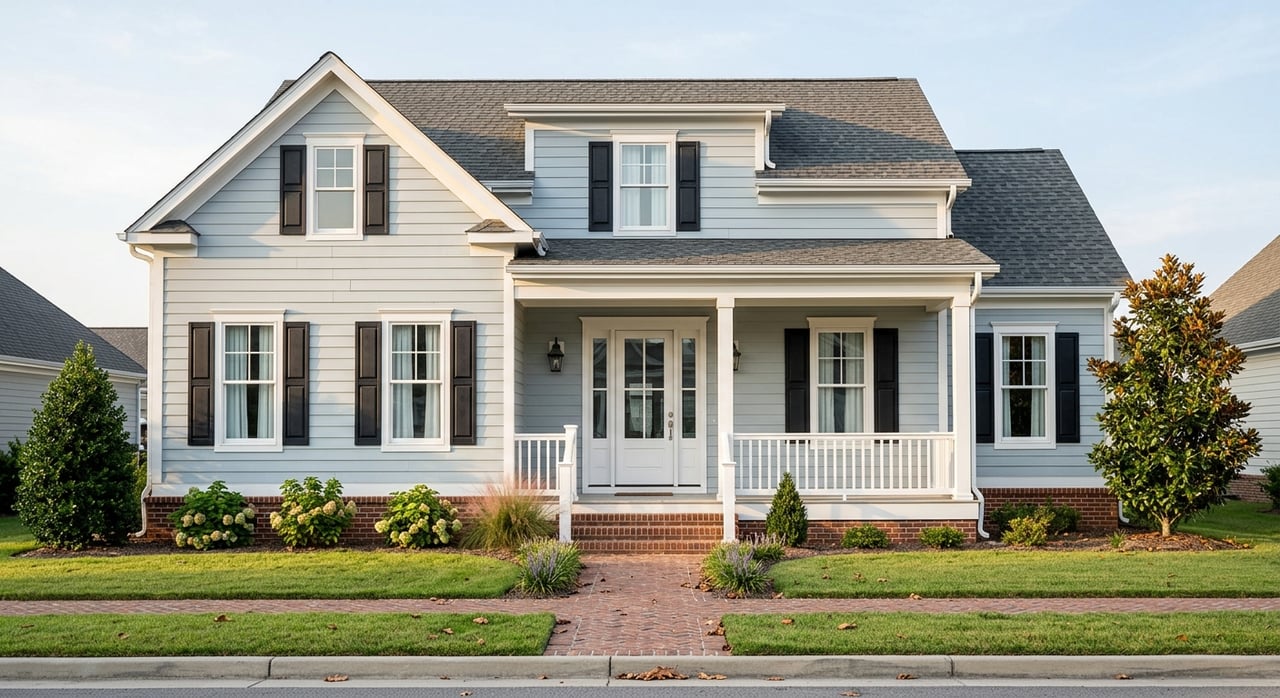
Historic Charm And Modern Living In Williamsburg
May 7, 2026
May 7, 2026
If you want a place where history is part of daily life, not just something you visit on the weekend, Williamsburg stands out. You may be looking for a home that feels connected, walkable, and full of character, but still gives you the comfort and convenience of modern living. In Williamsburg, that mix is real, from preserved colonial streets to newer mixed-use communities and everyday amenities that support your routine. Let’s dive in.
Williamsburg is not a typical suburb, and that is part of its appeal. The city covers just 9.2 square miles, and the city reports that 39.5% of its land is open space or protected areas. That planning approach helps preserve the setting while still allowing room for residential growth and daily convenience.
The city’s identity is also shaped by two major institutions: Colonial Williamsburg and William & Mary. Together, they influence the local economy, the pace of the city, and the overall atmosphere. For you as a buyer, that can mean living in a place with a strong sense of identity instead of a place that feels interchangeable.
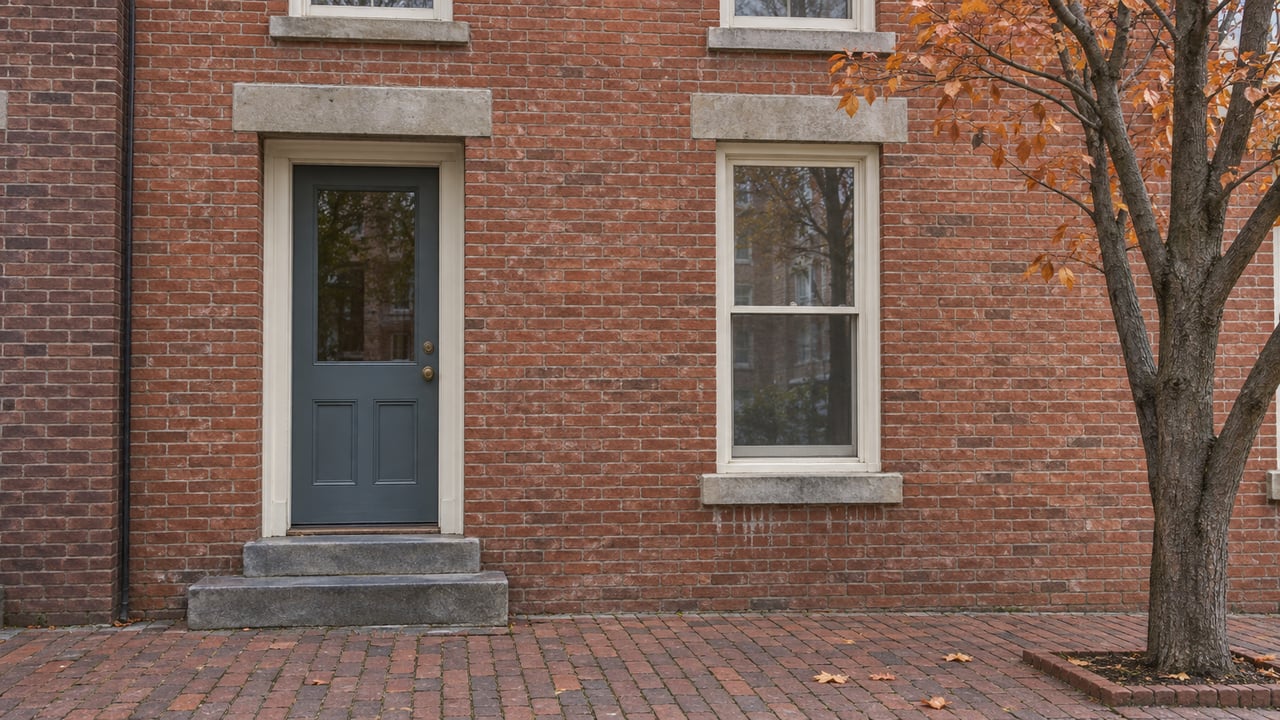
In Williamsburg, history is not tucked away behind velvet ropes. Colonial Williamsburg’s Historic Area spans 301 acres and includes 89 original buildings, more than 20 historic trades, more than 30 gardens, and over 25 historic places open daily with admission. That creates a living historic district that is active and woven into the city’s rhythm.
What makes that especially appealing is how the area reflects everyday life, not just preserved architecture. The experience includes taverns, clothing, food, music, errands, and traditional trades. If you enjoy a place with texture and story, Williamsburg offers that in a very real, ongoing way.
Just beyond the historic core, modern shopping and dining pick up the pace. Merchants Square includes more than 40 shops and restaurants, and nearby districts such as the Edge District, High Street, Midtown Row, New Town, and Williamsburg Premium Outlets add even more options. You can enjoy historic surroundings and still have access to casual dining, retail, breweries, wineries, and distilleries.
One of Williamsburg’s biggest strengths is that its housing stock is not one-size-fits-all. The city’s land-use plan includes low-density single-family homes, smaller-lot detached homes, duplexes, townhomes, apartments, and higher-density residential areas. That variety gives you more ways to match your home to your lifestyle.
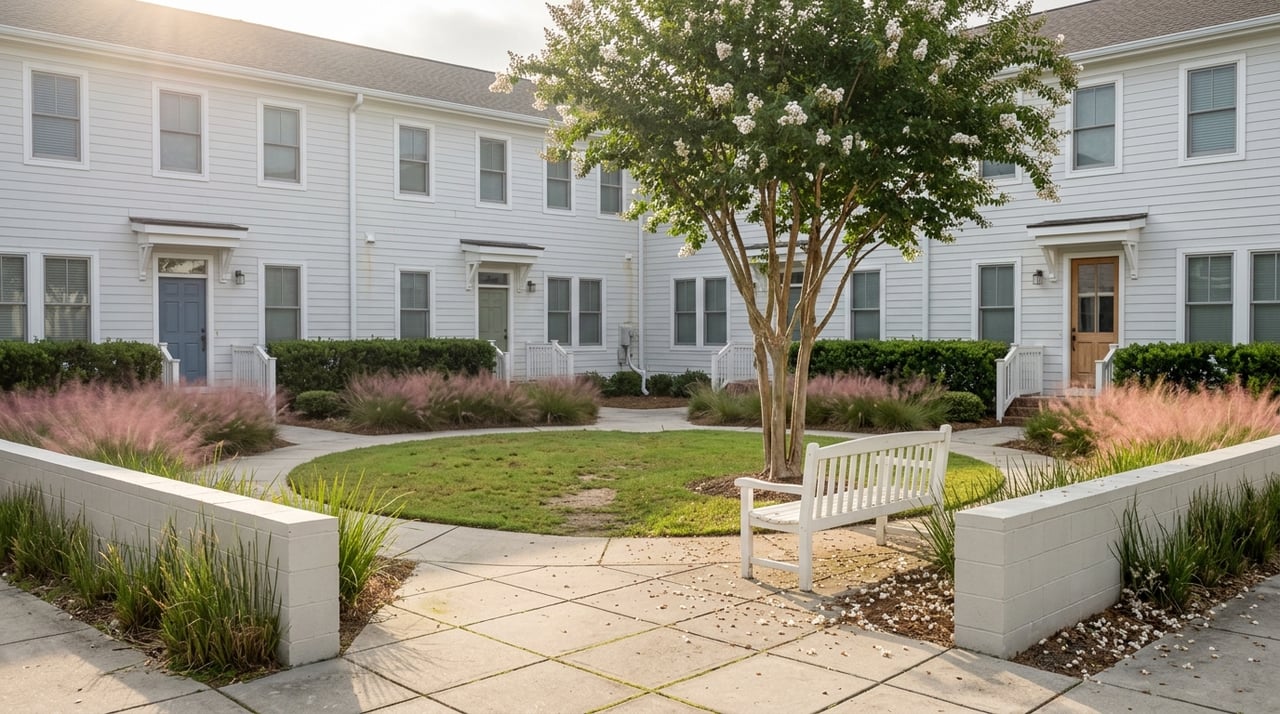
If you want a classic residential feel, you can find older detached neighborhoods. If you prefer something lower maintenance, townhomes and condos are part of the mix as well. If walkability matters most, mixed-use areas can put homes near shops, services, and dining.
The city also identifies Downtown Residential and Urban Residential areas, especially near William & Mary and High Street, where townhouses and multifamily homes are part of the plan. High Street Williamsburg and Quarterpath at Williamsburg are specifically noted as newer mixed-use development examples. That matters if you want newer construction or a more connected live-work-play setting.
According to Census QuickFacts cited in the city’s land-use materials, Williamsburg has a 53.2% owner-occupied housing rate and a median owner-occupied home value of $428,100. That points to a market that supports both ownership and rental living. It also suggests a city with a broad residential base rather than a single dominant housing type.
As you narrow your search, it helps to think less about one “best” area and more about the kind of day-to-day routine you want. Williamsburg offers several distinct lifestyle patterns, and each one can appeal to a different kind of buyer.
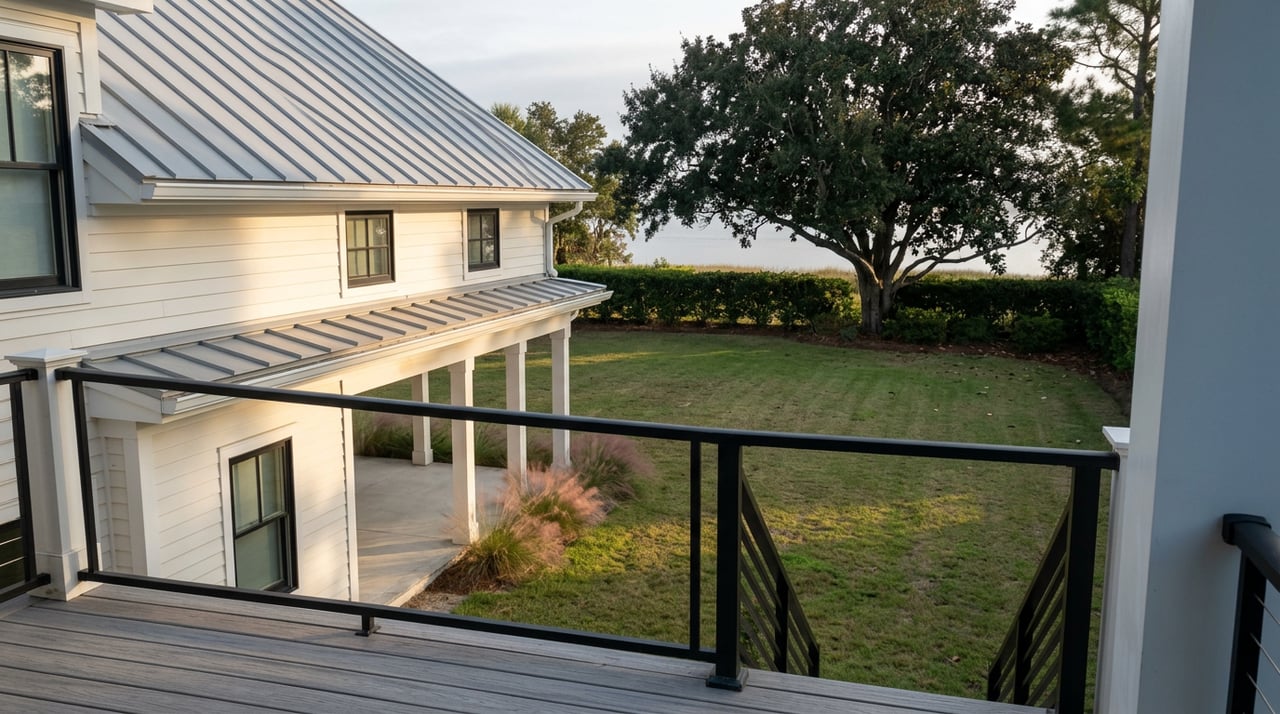
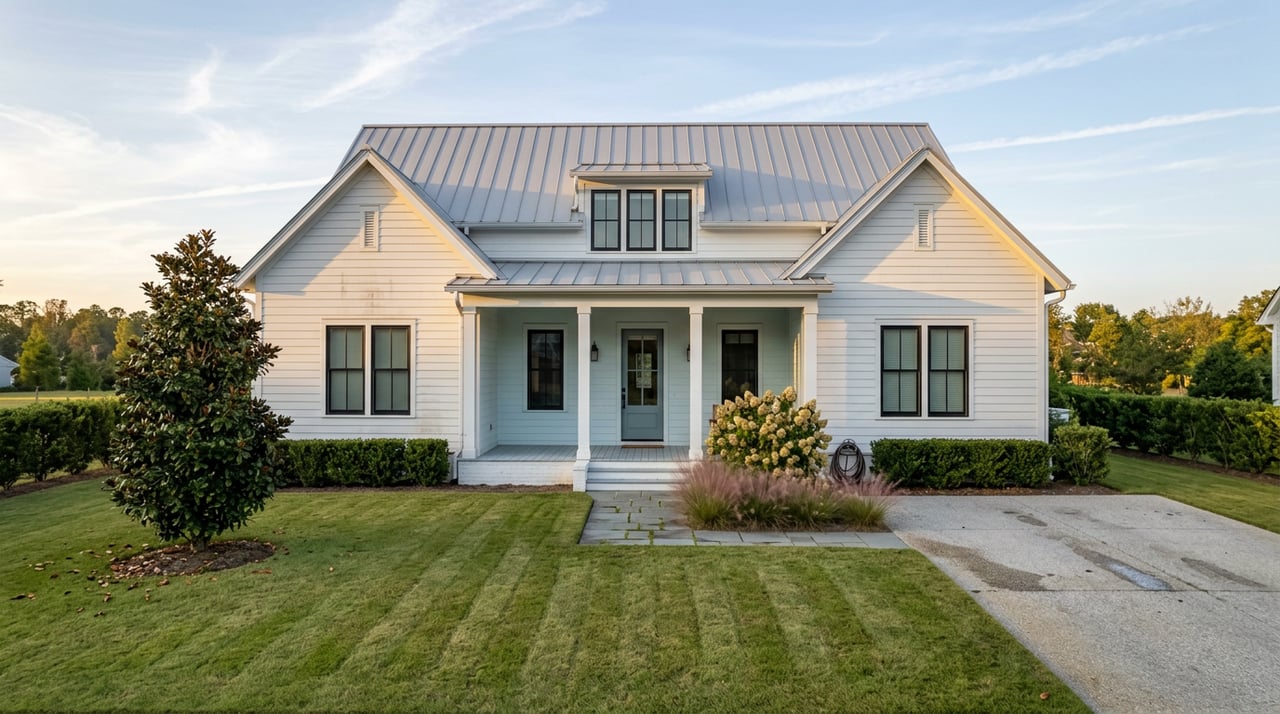
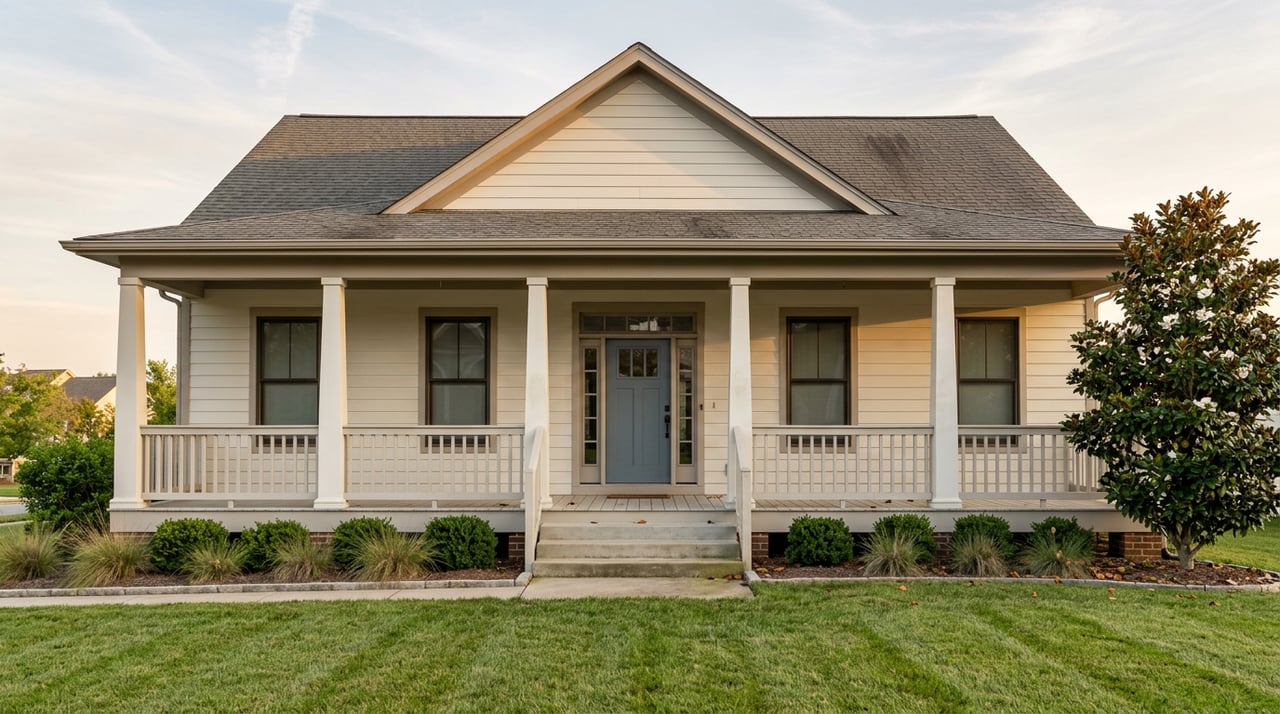
If you want more space, a yard, or a quieter residential setting, detached-home neighborhoods may be the best fit. The city includes both larger-lot and smaller-lot single-family areas. These settings can appeal to buyers who want a more traditional neighborhood layout and a bit more separation from commercial activity.
Townhomes, duplexes, and multifamily housing offer another path, especially if you want simpler upkeep or a more flexible price point. These housing types are part of Williamsburg’s long-term land-use structure, not just isolated pockets. That makes them a practical option for first-time buyers, downsizers, or relocating households who want convenience.
If you like the idea of living near restaurants, shops, and services, Williamsburg also has mixed-use and higher-density areas that support that lifestyle. Places like High Street Williamsburg and Quarterpath reflect the city’s more modern residential direction. You can enjoy a setting that feels current and connected while still being close to the city’s historic identity.
For a city known for history, Williamsburg is also practical when it comes to mobility. Visit Williamsburg describes the city as bicycle-friendly and easy to walk, especially around the core areas. That can make everyday errands, dining outings, and weekend plans feel more relaxed.
Transit also adds flexibility. The Williamsburg Transportation Center is downtown and serves as a hub for Amtrak, local bus service, taxi service, and long-term parking. WATA operates fixed routes across the city and nearby corridors, giving residents another way to move around without relying only on a car.
If you travel often or are relocating from another part of the East Coast, the rail connection is worth noting. The city states that Amtrak offers direct service from Philadelphia, New York, and Washington, D.C. Williamsburg is also accessible by Interstate 64, which helps with regional commuting and travel.
A big part of modern living is having room to recharge, and Williamsburg delivers more outdoor access than many buyers expect. The city owns and maintains 10 parks, which supports everyday recreation across a relatively compact footprint. That can make it easier to build outdoor time into your normal routine.
Waller Mill Park is one of the standout amenities. It spans 2,700 acres and includes four trails, 6 1/4 miles of wooded hiking trails, a 2-mile asphalt bike trail, and an 18-hole disc golf course. If your ideal home search includes access to trails and green space, this is part of Williamsburg’s appeal.
Quarterpath Recreation Center adds another layer of convenience. The 35,000-square-foot facility includes open gym time, classes, special events, and rentable rooms. For many buyers, amenities like this help turn a city from interesting to genuinely livable.
Williamsburg also benefits from a strong education presence. Williamsburg-James City County Public Schools reports 11,146 K-12 students across 16 schools as of November 2025. For buyers who want to understand the broader community structure, that gives a clear sense of the school division’s scale.
William & Mary adds another important dimension. The university has more than 7,000 undergraduates and 2,700 graduate students, and its history dates back to 1693. That college-town presence brings activity, cultural energy, and a steady connection between the city’s past and present.
One common question buyers have is whether Williamsburg feels too centered on visitors. The short answer is no. While tourism is a major part of the local identity, the city also offers practical residential amenities, varied housing, shopping districts, recreation, transit, and a regional school system that support full-time living.
The broader Historic Triangle also expands your weekend options. Williamsburg, Jamestown, and Yorktown are connected by the 23-mile Colonial Parkway, which adds scenic access to nearby destinations. That means local life can feel layered, with plenty to do beyond the city center itself.
If you are considering a move to Williamsburg, the biggest takeaway is balance. You are not choosing between historic charm and modern convenience. In many parts of the city, you can have both.
That balance can be especially appealing if you are relocating, buying your first home, or looking for a community with more character than a standard suburban layout. Williamsburg offers a range of home types, established institutions, outdoor amenities, and transportation options within a city that still feels intentional in how it grows. If you want help identifying the right fit for your goals in Williamsburg or across Hampton Roads, Kristie Weaver can guide you through the process with a local, strategic approach.
Stay up to date on the latest real estate trends.

Get assistance in determining current property value, crafting a competitive offer, writing and negotiating a contract, and much more. Contact me today.