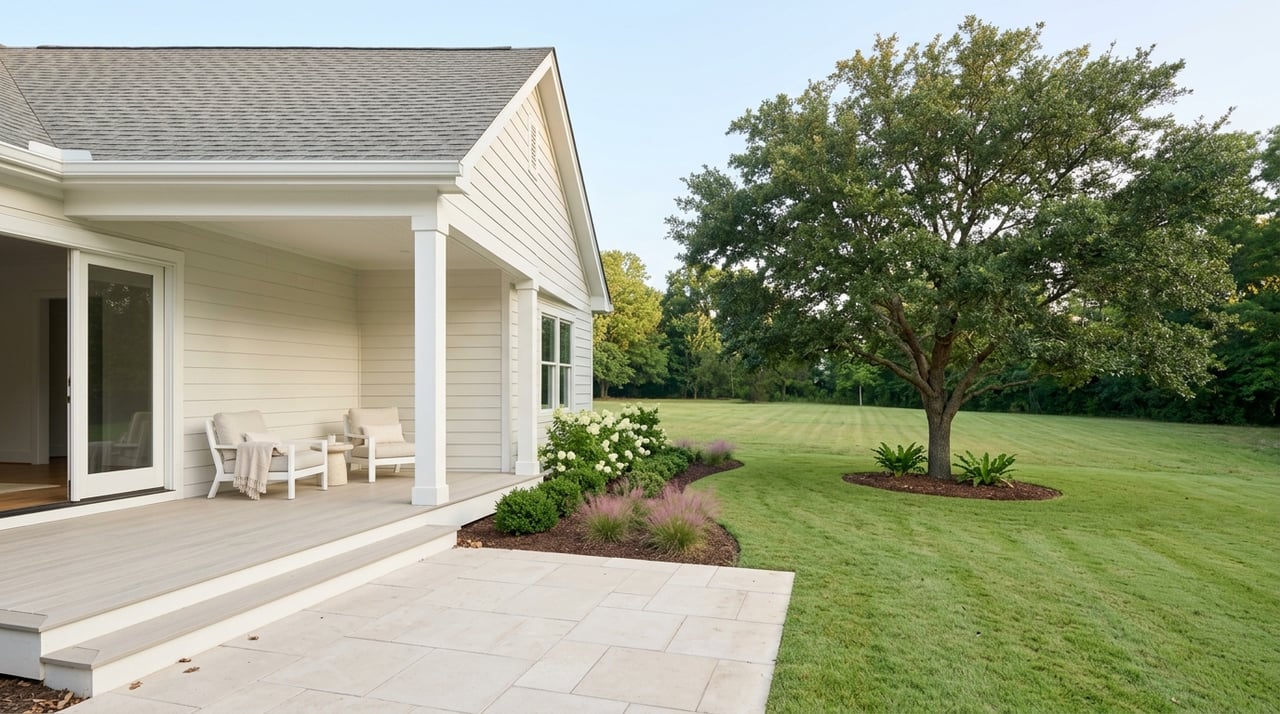
Living in Suffolk: Space, Scenery, and Small-Town Feel
March 26, 2026
March 26, 2026
Craving more elbow room without giving up convenience? If you want bigger yards, river views, and that easy, small‑town rhythm while staying connected to Hampton Roads, Suffolk deserves a closer look. You’ll find a wide mix of neighborhoods, strong outdoor amenities, and a market that favors homeowners who value space and scenery. In this guide, you’ll see how Suffolk lives day to day, what areas feel like, commute and school basics, and smart checks to make before you buy. Let’s dive in.
Suffolk covers nearly 400 square miles of land, which helps explain why it offers both suburban neighborhoods and true country acreage in one city. According to the latest Census estimates, the population is about 103,105 and owner‑occupancy is high, with a median owner‑occupied value around $329,600 and a mean commute of about 29.9 minutes citywide. You can review those baseline numbers in the federal snapshot for Suffolk on U.S. Census QuickFacts.
City planning also leans into that open feel. Suffolk’s comprehensive planning effort highlights preserving rural landscapes and agricultural heritage as growth continues. If you want more space without leaving Hampton Roads, that policy direction is good news. You can read the city’s growth context in the Suffolk2045 planning updates.
Historic Main Street serves as the civic heart with arts, dining, and community events. The Suffolk Center for Cultural Arts anchors concerts, exhibits, and classes, giving downtown that walkable, small‑town vibe on show nights and festival weekends. Explore current programming at the Suffolk Center for Cultural Arts.
North of downtown you’ll find family‑oriented neighborhoods near parks, boat launches, and river views. Sleepy Hole Park and Lake Meade offer space to spread out, picnic, and play. Several areas here are served by Suffolk Public Schools, so always verify attendance zones directly with the district’s transportation and zoning resources.
These historic crossroads feel like classic Virginia villages. You get a slower pace, local shops, and easy access to green space without the bustle of urban cores. Many streets have larger lots than you’ll see in denser suburban corridors.
If acreage is your goal, start here. Farmettes and 1‑plus acre parcels are more common, and the setting shifts to peaceful and rural. Before you buy land or a home on a well and septic system, build in time to confirm zoning, system capacity, and any improvement restrictions.
Suffolk Public Schools serves the city with elementary, middle, and high schools across multiple zones. Notable high schools include Nansemond River, King’s Fork, and Lakeland. Because lines can change, verify the current attendance zone for any property with the district’s official transportation page.
Sentara Obici Hospital connects you to the broader Sentara system for inpatient care, emergency services, and specialists. Having full‑service care in the city is a practical plus for families. Learn more about the system’s footprint and operations in this Sentara overview.
Outdoor life is a standout. The Great Dismal Swamp National Wildlife Refuge offers boardwalks, hiking, wildlife viewing, and access to Lake Drummond. Around the city, Lone Star Lakes, Bennett’s Creek Park, Lake Meade, and Sleepy Hole Park are local favorites for fishing, paddling, and playground time. Get a feel for the refuge through the Great Dismal Swamp visitor info.
Suffolk is part of the Hampton Roads region, so many residents work in Norfolk, Chesapeake, Virginia Beach, or the Peninsula. The citywide mean commute is about 29.9 minutes, though your actual drive will depend on where you live and when you travel, especially around major corridors and bridges. The Hampton Roads planning agencies track transportation projects and patterns at the HRTPO page.
Outside of downtown and a few village centers, Suffolk is mostly car dependent, which is a key shift if you’re moving from a denser city. See a quick snapshot of local walkability metrics on Walk Score for Suffolk.
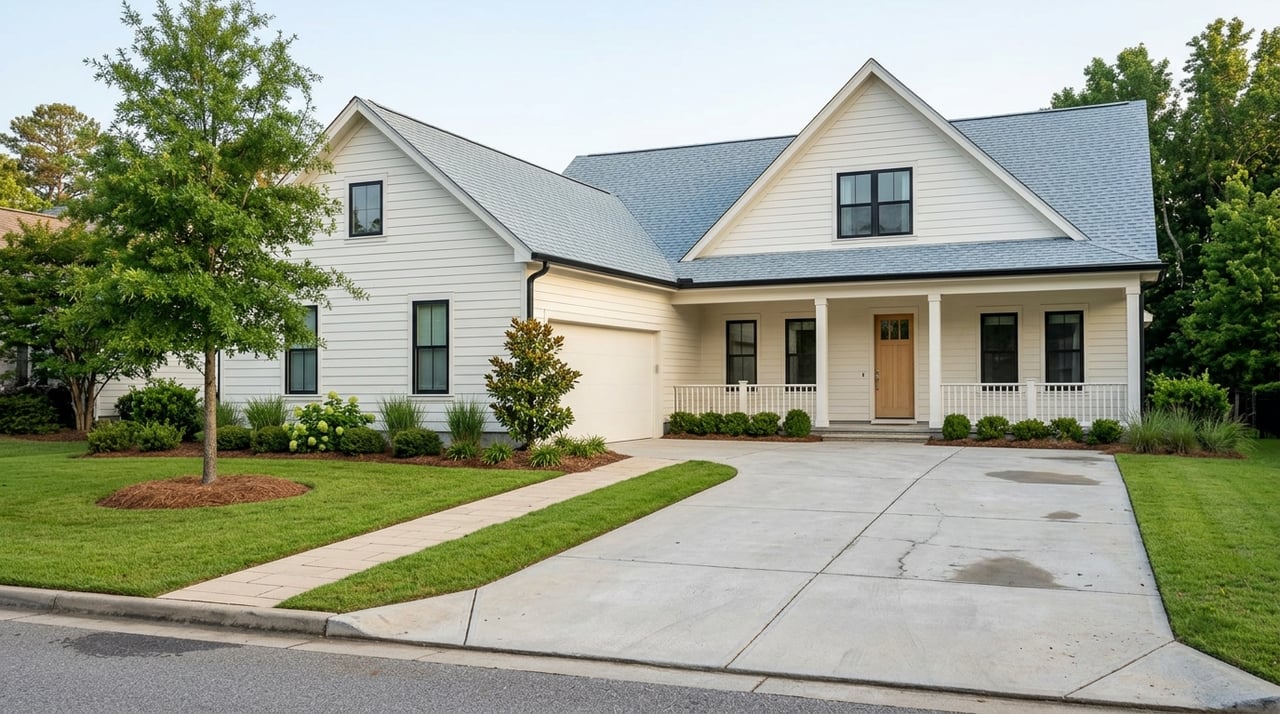
Most options are detached single‑family homes, from established subdivisions to new construction. In suburban pockets, typical lots range from roughly 0.15 to 0.5 acres, which gives you space for a grill station, a swing set, or a garden without overwhelming upkeep. If you want true elbow room, western and southern areas often offer 1‑plus acre parcels where you can spread out.
For rural properties, confirm the basics early. Ask about well and septic systems, easements, and whether your intended use fits current zoning. Suffolk’s comprehensive plan recognizes a mix of rural and suburban land uses, so it pays to understand the local rules before you write an offer.
Think of two layers when you size up the market:
Because market conditions change quickly, get up‑to‑the‑minute pricing and comps from a local MLS search and a tailored consult. That way you see what buyers are paying for homes like yours, right now.
Use this quick list to focus your search and avoid surprises:
If your wish list includes more space, natural scenery, and a friendly, small‑town feel, Suffolk can deliver while keeping you connected to Hampton Roads jobs and amenities. From riverfront parks to village crossroads and rural retreats, you can choose the pace that fits your life.
Ready to tour neighborhoods, compare acreage options, or get hyper‑local pricing? Reach out to Kristie Weaver for a tailored plan and on‑the‑ground guidance.
Stay up to date on the latest real estate trends.
Get assistance in determining current property value, crafting a competitive offer, writing and negotiating a contract, and much more. Contact me today.