Norfolk Waterfront Home Values: What Shapes Pricing?
June 25, 2026
June 25, 2026
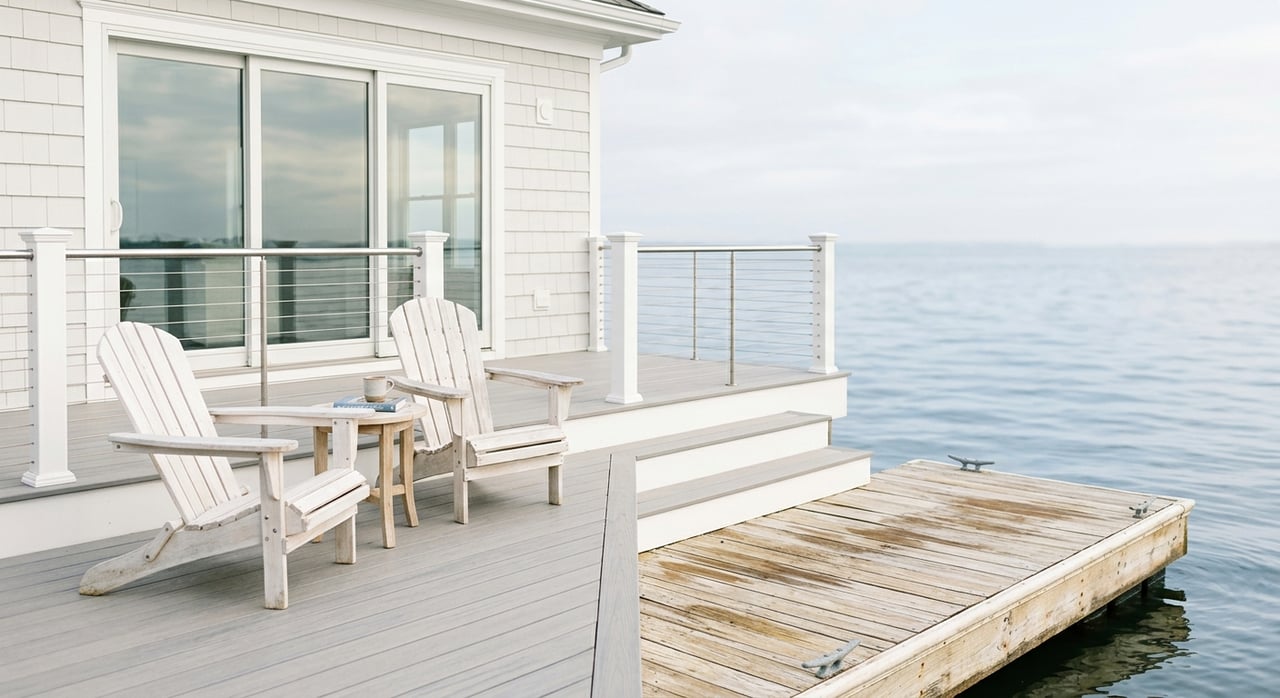
If you are house hunting or preparing to sell in Norfolk, the water is hard to ignore. In this city, waterfront proximity is not just a luxury feature. It shapes how people live, what buyers notice first, and how homes can be priced and compared. If you want to understand how being near the water affects value, competition, and day-to-day ownership, this guide will help you look at the market more clearly. Let’s dive in.
Norfolk’s housing market is deeply connected to the water because the city itself is. Norfolk says it has more than 200 miles of riverfront and bayfront property, including Chesapeake Bay beaches. That means waterfront influence reaches far beyond a small group of high-end homes.
In Norfolk, waterfront living can look very different depending on where you are. Some areas are more beach-oriented, while others are tied to urban riverfront living. The city notes that Ocean View has 7.3 miles of free shoreline, and the Elizabeth River Trail connects 10.5 miles of waterfront across working waterfront areas, parks, and 28 neighborhoods.
That variety matters when you are buying or selling. A home near the bay may appeal to someone focused on beach access and outdoor recreation, while a home near Downtown may attract buyers who want a walkable waterfront setting with dining, events, and city amenities nearby.
Waterfront proximity often carries strong lifestyle appeal, and that can influence buyer demand. In Ocean View and East Beach, local tourism information highlights activities like kayaking, sailing, fishing, crabbing, swimming, and beach parks. In Downtown Norfolk, the waterfront is tied to shopping, entertainment, restaurants, and an active event calendar.
For many buyers, that kind of access adds meaning to a home search. You may not need a house directly on the water to value being close to it. Near-water homes can still benefit from the appeal of views, recreation, and the overall setting.
This is one reason waterfront influence in Norfolk is broader than many people expect. It can affect interest in detached homes, condos, and townhomes, even when the property is not a classic luxury listing.
Norfolk’s recent market data shows a market where demand still matters. City reporting states that home sales rose 2.1% in 2024, the average price of homes sold increased about 4.4%, and the median sold price reached $306,000. In December 2025, the city reported 1.9 months of supply for single-family homes and 4.2 months of supply for condos and townhomes.
That tells you two important things. First, detached homes have been relatively tight in supply. Second, attached housing has offered somewhat more breathing room. In a market like that, homes with water access, water views, or strong near-water location appeal can stand out quickly.
Broader housing research also supports the idea that proximity to water can show up in home prices. Studies cited in the research report found that coastal amenities like water views and oceanfront access can contribute to pricing, even as buyers also weigh flood exposure and insurance costs. In other words, the premium is real, but it is not automatic.
One of the biggest mistakes buyers and sellers make is treating all waterfront homes the same. In Norfolk, the market is more layered than that. A bay-adjacent cottage, a riverfront condo, and a near-water single-family home in another submarket may all compete differently.
That is because buyers are not only comparing scenery. They are also comparing housing type, supply, monthly ownership costs, flood exposure, and how easy the home is to insure and maintain. Two homes may both be close to the water but perform very differently in the market.
For sellers, that means pricing strategy has to be specific. For buyers, it means you should compare each property on its full cost and risk profile, not just on how close it sits to the shoreline.
In Norfolk, waterfront proximity is tied to real flood considerations. The City of Norfolk says it is increasingly at risk of flooding and has one of the highest rates of relative sea level rise among Atlantic coastal communities. NOAA’s Sewells Point tide gauge reports a relative mean sea level trend of 4.79 mm per year, which NOAA says equals 1.57 feet in 100 years.
The city is also advancing the Resilient Norfolk Coastal Storm Risk Management Project to reduce flood risk from coastal flooding, nor’easters, hurricanes, and other major storm events. That long-term work matters, but it does not remove the need for property-level review when you are buying or selling.
The key point is simple: flood risk in Norfolk is address-specific. You cannot assume two nearby homes carry the same exposure, the same flood zone status, or the same insurance requirements.
If you are buying near the water in Norfolk, the asking price is only part of the picture. The city’s flood information emphasizes the importance of checking flood zones, storm surge maps, Know Your Zone resources, and mitigation information. The city also notes that standard homeowners insurance does not cover flooding.
That means your budget should account for more than principal, interest, taxes, and standard insurance. A home’s flood zone status, elevation, drainage conditions, and any existing mitigation can all affect your ownership costs and comfort level.
A practical buyer review should include:
When you look at waterfront or near-water housing this way, you make a clearer decision. You are not just buying a view or a location. You are buying into a full ownership picture.
If you are selling a home with waterfront or near-water appeal, buyers will usually focus on both lifestyle and risk. They may love the setting, but they will also want answers about flood exposure, insurance, and property condition. Being ready with clear information can help your home feel more credible and easier to evaluate.
That preparation can shape negotiations. In Norfolk’s micro-markets, buyers may weigh inspection windows, insurance contingencies, repair credits, and closing timing very closely. Those details can matter almost as much as the sale price.
Before listing, it helps to organize:
For many sellers, this is where strong process management and negotiation matter most. A polished listing can attract attention, but clear documentation and smart terms often help keep the deal together.
Buyer interest in waterfront property does not erase concern about risk. Research cited in the report found that, after flooding events in coastal Virginia, homes in high-risk 100-year floodplain areas stayed on the market 5 to 7 days longer than homes in lower-risk areas. That does not mean buyers stop looking near the water. It means they can become more cautious.
This is useful if you are planning your timing or expectations. Buyers may still pursue waterfront proximity, but they are often more sensitive to insurance costs, disclosure details, and property-specific risk after major flooding events.
For sellers, that means transparency matters. For buyers, it reinforces the value of slowing down long enough to review the facts before falling in love with the setting.
The smartest way to think about waterfront proximity in Norfolk is to treat it as both an amenity and a risk variable. The amenity side includes views, recreation, walkability, and the day-to-day appeal of being close to the bay or river. The risk side includes flooding exposure, insurance obligations, and the long-term cost of ownership.
When you separate those two sides, the market starts to make more sense. You can compare homes more objectively, price listings more accurately, and negotiate with fewer surprises. That is especially important in a city where water is part of everyday life and not just a rare bonus feature.
Whether you are buying your first near-water home, relocating to Hampton Roads, or preparing to sell a property with waterfront appeal, a local strategy matters. If you want clear guidance on pricing, risk factors, and negotiation in Norfolk’s housing market, connect with Kristie Weaver for a more informed plan.
Stay up to date on the latest real estate trends.

Get assistance in determining current property value, crafting a competitive offer, writing and negotiating a contract, and much more. Contact me today.