Oceanfront Versus Inland Living In Virginia Beach
July 2, 2026
July 2, 2026
If you are deciding between oceanfront and inland living in Virginia Beach, you are really choosing between two different daily rhythms. One puts you closer to the sand, boardwalk energy, and beach access, while the other often offers a more traditional residential feel with easier errand runs. Understanding those tradeoffs early can help you narrow your search with more confidence. Let’s dive in.
Virginia Beach’s planning framework separates the city into Coastal and Inland context areas, and that distinction helps explain how each lifestyle feels. The Coastal area follows the Chesapeake Bay and Atlantic Ocean and focuses on beach access, natural areas, Resort Area growth, and sea-level-rise management. The Inland area is mostly developed and densely populated, with neighborhoods, shopping and employment centers, parks, and military installations.
In simple terms, oceanfront-adjacent living tends to feel more recreation-oriented and visitor-facing. Inland living tends to feel more centered on everyday routines like commuting, shopping, and neighborhood life. Neither is better across the board. The right fit depends on what matters most to you.
Living near the Oceanfront means you are close to one of the city’s most active and recognizable areas. You get immediate access to the beach, the boardwalk, and a steady lineup of events and attractions throughout the year. For many buyers, that convenience is the main draw.
Virginia Beach provides beach access ramps from 1st to 42nd streets at the Oceanfront. There are also selected accessible wooden walkways, permanent public restrooms at several locations, and seasonal lifeguards from Memorial Day weekend through Labor Day weekend. If beach access is part of your ideal routine, that level of convenience can be hard to beat.
The Oceanfront Resort District is shaped by a form-based code that focuses on how buildings relate to the street and public spaces. The city’s coastal place types also describe these areas as moderate- to higher-density settings with both single-family and multi-family homes. That means you may see a broader mix of housing styles and a more urban-coastal layout than you would inland.
If you like mixed-use surroundings, nearby activity, and the ability to be close to restaurants or attractions, this setting may feel exciting and convenient. If you prefer more separation between residential areas and commercial activity, it may feel busier than you want.
The Oceanfront is one of the city’s main entertainment hubs. The area hosts boardwalk street performers during the summer, along with annual footraces, music festivals, surfing competitions, and art festivals. That creates a lively atmosphere, but it also means your surroundings can feel event-driven, especially in warmer months.
Parking demand also rises seasonally. The city charges for parking in Resort Area lots from April 1 through October 31, which reflects the heavier traffic and visitor volume during peak season. If you enjoy being in the middle of the action, this may feel like a benefit. If you value a calmer setting, it is something to think through carefully.
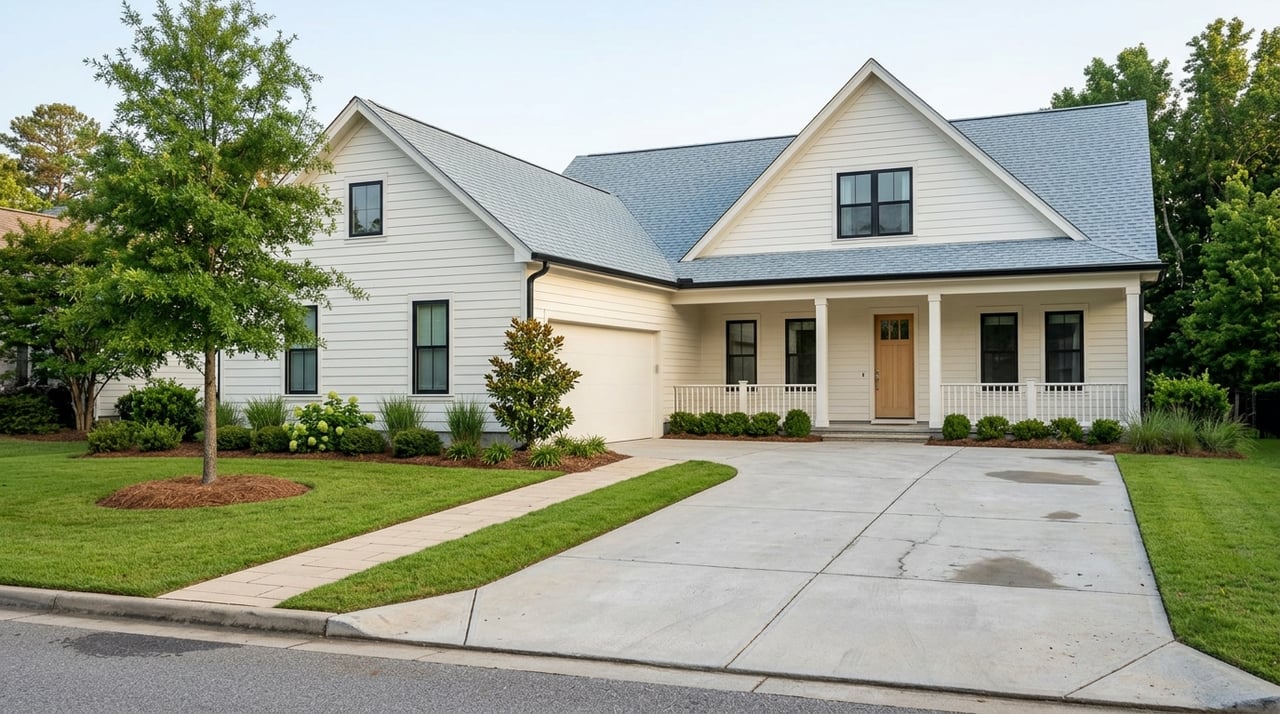
Inland Virginia Beach often appeals to buyers who want a more everyday-residential setting. The city describes the Inland Context Area as mostly developed and densely populated, with established neighborhoods, shopping areas, employment centers, parks, and military installations. Future growth is expected to focus on redevelopment along corridors and at underused shopping centers, while existing neighborhoods retain their scale and character.
For many buyers, inland living offers a more familiar suburban pattern. You may find it easier to prioritize routine convenience, access to services, and a quieter home base, depending on the exact location.
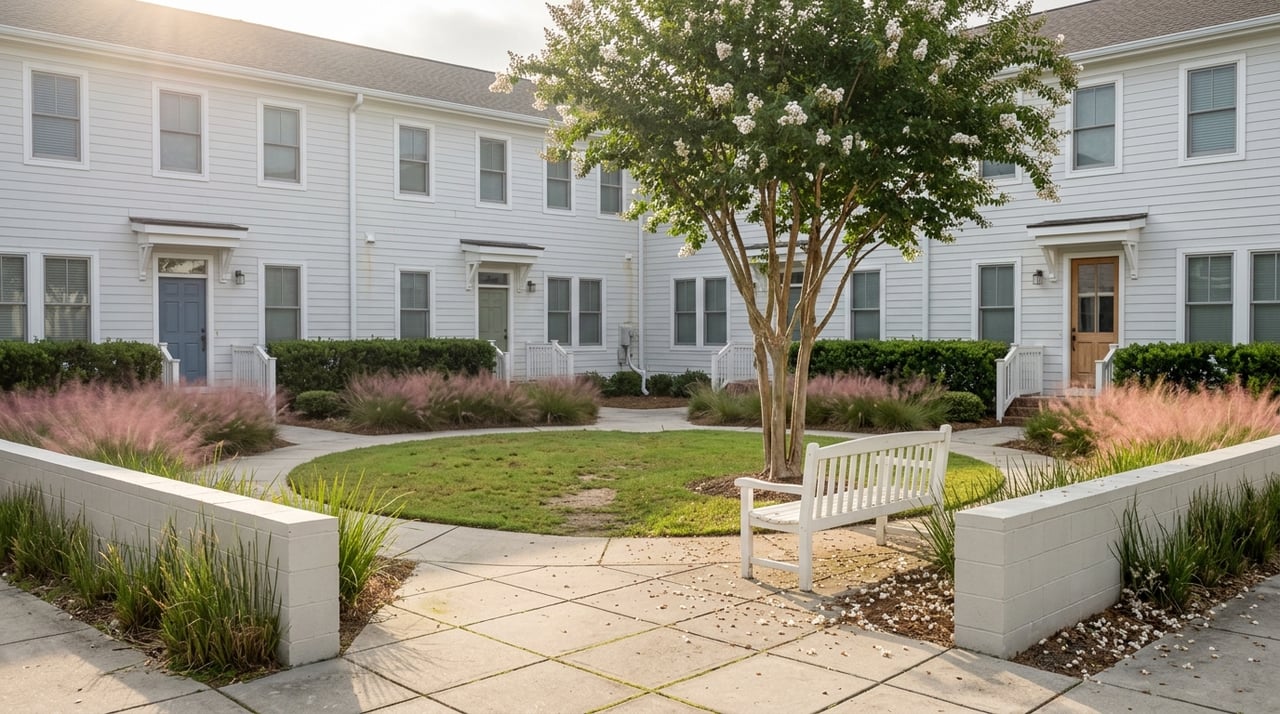
The city’s Neighborhood Type 1 place type is mostly lower-density, with single-family homes as the predominant use. Neighborhood Type 2 includes a wider mix of single-family homes, townhomes, apartments, and neighborhood commercial or service uses. In practical terms, inland areas often offer more traditional detached-home neighborhoods, with higher-density pockets clustered around redevelopment areas and major corridors.
If your home search includes single-family properties in established residential settings, inland areas may offer more of the patterns you expect. That does not mean every inland area looks the same, but it does point to a different feel than the Oceanfront.
Inland Virginia Beach usually has an advantage when it comes to everyday shopping and errands. The city highlights major convenience hubs like Town Center and Pembroke Square, about 11 miles west of the Oceanfront, along with Hilltop, which is only about 2 miles from the Oceanfront and includes more than 25 restaurants and eateries and 100 specialty shops.
Other key shopping and service areas include Lynnhaven Mall, Red Mill Commons, and the Virginia Beach Farmers Market. The city describes the Farmers Market as an open-air market with fresh produce, home and garden goods, plants, flowers, a creamery, a seafood market, and a butcher shop. If your ideal location supports quick errands and day-to-day convenience, inland living may check more boxes.
One of the biggest differences between oceanfront and inland living is how busy each area can feel. The Oceanfront naturally sees more seasonal crowds, events, and parking demand. That makes it appealing for buyers who enjoy an active atmosphere, but less appealing for those who want more predictability.
That said, inland does not automatically mean quiet. The city notes that some inland areas fall within high-noise zones because of proximity to the Oceanfront Resort Area, Interstate 264, and Oceana Naval Air Station. The AICUZ program also classifies land by potential noise and accident impact around NAS Oceana.
This is where broad labels can be misleading. A home near the Oceanfront might feel surprisingly tucked away, while an inland home near a major corridor or flight path may not. If noise sensitivity is high on your list, it is smart to evaluate each property on its own location and surroundings.
Flood risk should be part of the conversation when you compare coastal and inland homes in Virginia Beach. The city states that coastal properties are commonly threatened by floodwaters from heavy rain, hurricanes, and nor'easters. Development in Special Flood Hazard Areas requires permits and compliance with elevation or flood-protection rules.
The Coastal Context Area also receives specific attention for sea-level-rise management. For buyers, that does not automatically rule out coastal living, but it does mean you should understand how resilience factors may affect a property, its improvements, and your long-term comfort level.
For many buyers, the choice comes down to how you want your day-to-day life to feel. Oceanfront living often trades more space and quiet for proximity, walkability to beach amenities, and a stronger connection to entertainment and recreation. Inland living often trades immediate beach access for more conventional housing patterns and easier access to shopping, services, and routine errands.
Here are a few questions that can help clarify your priorities:
If you can answer those questions early, your home search usually becomes much more focused. Instead of searching all of Virginia Beach the same way, you can target the areas that best match your lifestyle and goals.
Choosing between oceanfront and inland living is not just about address. It is about how you want your mornings, weekends, errands, and commute to feel. If you want help comparing neighborhoods, housing patterns, and property-specific tradeoffs in Virginia Beach, Kristie Weaver can help you build a smart, local strategy.
Stay up to date on the latest real estate trends.




Get assistance in determining current property value, crafting a competitive offer, writing and negotiating a contract, and much more. Contact me today.