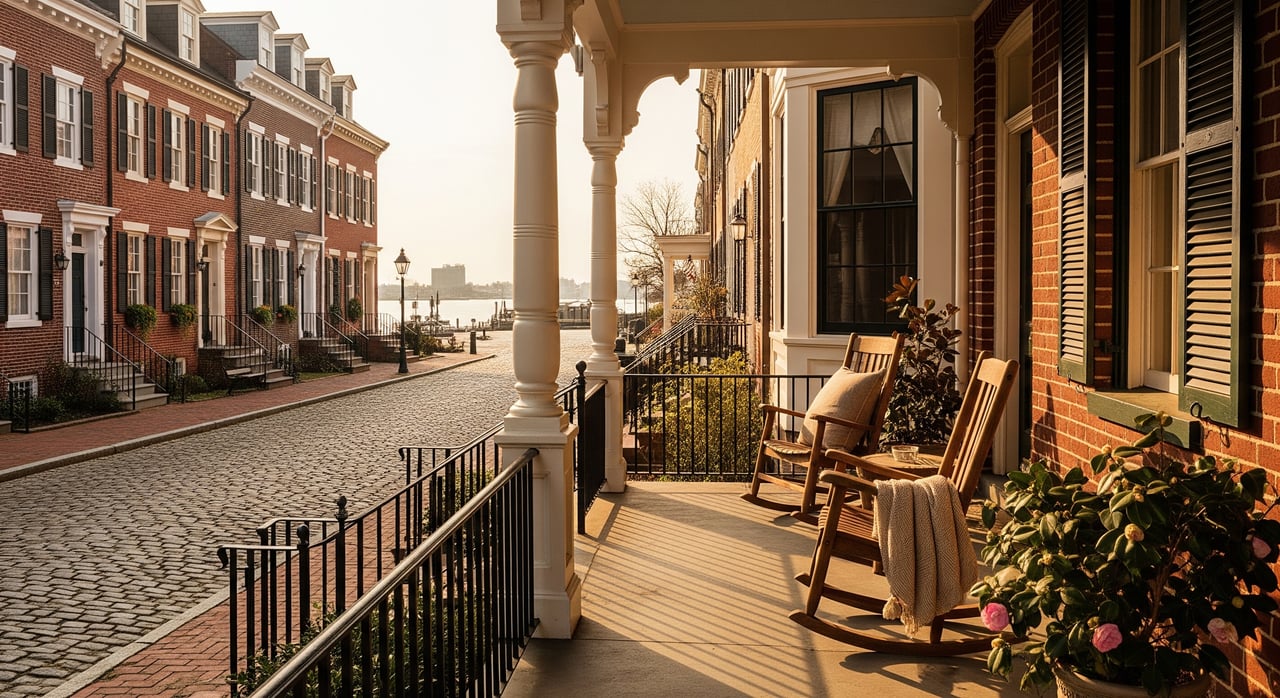
Norfolk VA Neighborhoods Lifestyle in Historic Areas
February 5, 2026
February 5, 2026
Wondering what a normal Tuesday feels like in Norfolk’s historic neighborhoods? You might picture tree-lined streets, brick townhomes, and a quick stroll for coffee before work. If you are exploring where to live next, you want the real day-to-day details, not just pretty photos. This guide walks you through lifestyle, home styles, commute options, parks, and what to expect in Norfolk’s established historic areas so you can choose your best fit. Let’s dive in.
Norfolk’s historic neighborhoods blend older homes, mature trees, and a strong sense of place. Some areas, like Ghent and the Freemason Historic District, have recognized historic status and more consistent preservation. Others, such as Larchmont‑Edgewater or Colonial Place, offer older housing stock and a classic streetscape without uniform district controls. Before you buy, it is smart to confirm whether a specific property sits inside a local or national historic district and what that means for exterior changes.
Ghent is a dense, walkable neighborhood where daily errands often happen on foot. You can step out to independent restaurants, cafés, and shops along Colley Avenue and parts of Granby Street, then return to quieter, tree-lined residential blocks. Housing often includes late-19th and early-20th-century rowhouses, brick townhouses, and early apartment buildings, with some newer infill condos. Expect evening activity along the main corridors, which gives the area a lively feel after work and on weekends.
Freemason sits beside downtown and the waterfront, with restored brick townhouses and historic details that set a classic tone. You are a short walk from museums, civic buildings, waterfront parks, and downtown events. The neighborhood’s location makes it easy to reach festivals at the waterfront and to enjoy dining and cultural venues. Parking can be more limited here, and some blocks use permit systems, so factor that into your routine if you plan to keep a car.
Larchmont‑Edgewater offers a residential pace with a small village-style retail strip. Think neighborhood shops, local restaurants, and community events like farmers’ markets and block gatherings. The housing mix leans toward 1920s to 1940s bungalows and Colonial or Tudor Revival styles, with occasional newer infill. If you want a calm setting, parks, and a strong neighborhood rhythm while staying inside the city, this area delivers that balance.
Colonial Place and Lafayette‑Winona bring together quiet residential streets, accessible parks, and a mix of Craftsman bungalows, Colonial Revival homes, and brick rowhouses. You can expect convenient access to Lafayette Park and small neighborhood greens. Local eateries and services are close by, with the broader city’s amenities a short drive away. These areas attract buyers who want residential calm with city proximity.
Northside offers a blend of older homes and mid-century properties on established streets. You will find everyday living is straightforward, with local services within reach and parks scattered nearby. The feel is more residential and less tourism-oriented than shoreline neighborhoods. Many buyers consider Northside when they want value, classic home styles, and a location that connects to both downtown and regional corridors.
If waterfront access shapes your week, Willoughby Spit and Ocean View have a coastal, laid-back rhythm. Life here leans into boating, fishing, and beach days, with shoreline parks and piers close at hand. You will see a range of homes, from beach cottages to mid-century styles and newer waterfront infill. Expect more seasonal activity near Ocean View, which creates a different pace than the central historic districts.
Norfolk’s waterfront anchors daily life in several neighborhoods. Downtown’s Town Point Park and Waterside host festivals that boost activity and foot traffic. The Elizabeth River Trail connects multiple neighborhoods and parks, giving you a safe route for jogs, bike rides, or weekend loops along the water. On the bay side, Ocean View Beach Park and the Willoughby shoreline offer simple access to sand and sun. Most historic areas also have small greens and playgrounds tucked into residential blocks for quick fresh-air breaks.
Grocery stores and basic services are available in or near most neighborhoods, although some smaller enclaves rely on short drives for larger supermarkets. Medical facilities are concentrated in and near Norfolk’s core, including the Eastern Virginia Medical Center area and specialty clinics. Active neighborhood associations, especially in Ghent, Larchmont, and Freemason, share local updates, organize events, and are helpful for new residents.
I-64 and I-264 connect you across Hampton Roads, while corridors like Shore Drive and Hampton Boulevard link neighborhoods to shopping and major employers. Expect typical city parking patterns. Ghent has a mix of on-street spaces and surface lots. Freemason and nearby blocks may have permit rules or more limited on-street spaces, while Larchmont is largely residential with on-street parking.
Hampton Roads Transit operates bus routes across Norfolk with higher frequency on major commercial streets. The Tide light rail serves parts of the core and connects key job centers, which can simplify some commutes. The Elizabeth River Ferry offers free passenger and cyclist service between downtown Norfolk and Portsmouth, which makes a short, scenic commute or weekend outing. If transit convenience matters to you, check current route maps and schedules for your typical time of day.
Many historic neighborhoods are highly walkable, especially Ghent and parts of Freemason and Larchmont. The Elizabeth River Trail supports longer bike rides and bike-to-transit routines. If you cycle to work, you can combine local bike lanes or the trail with bus, light rail, or ferry options for a flexible commute.
Across these neighborhoods, you will see brick rowhouses and townhomes, detached bungalows, craftsman designs, and condos or lofts in converted historic buildings. Interiors often include period details that add character, along with floor plans that reflect earlier construction eras. Some properties have been updated, while others may need targeted improvements to meet your preferences.
If a home sits inside a local historic district, exterior changes can be subject to design review to preserve the streetscape. That can include materials, window styles, and rooflines. Interiors usually have fewer constraints, but you should still plan ahead for permits and timelines. Ask for past approvals on the property and confirm the process with the local commission before you commit to exterior work.
Norfolk is low-lying, and flood exposure varies by block and neighborhood. Shoreline areas such as Willoughby Spit and Ocean View can face higher risk, and some low-lying blocks along rivers are more vulnerable to tidal flooding or storm surge. Review FEMA flood maps and local resilience resources, and factor potential flood insurance into your budget if you are shopping near the water. City programs continue to improve stormwater and resilience, but site-specific research is always smart.
Norfolk Public Schools serve the city, and assignments are by zone. Always check the current boundary map for a specific property if schools are a key factor for you. The presence of higher education institutions like Old Dominion University and Eastern Virginia Medical School also shapes local routines and housing demand in nearby neighborhoods.
Use this quick list to narrow your options:
When you visit, try a typical errands loop. Grab coffee, walk to a park, check a transit stop, and note how long it takes. Drive your weekday commute during peak hours to gauge travel time and parking near your home. Visit on a weekend evening to listen for nightlife noise on active corridors, and ask about recent flooding history for the block you are considering.
If you love historic character, the right fit is out there. You just need a clear view of daily life, commute trade-offs, and the maintenance and permitting that come with older homes. A local advisor can help you compare blocks, confirm historic-district rules, and spot flood and insurance considerations before you write an offer. Ready to explore properties and craft a plan that fits your lifestyle? Reach out to Kristie Weaver for local guidance and a smooth, strategic search.
Stay up to date on the latest real estate trends.



Get assistance in determining current property value, crafting a competitive offer, writing and negotiating a contract, and much more. Contact me today.