Torn between a single-family home, townhome, or condo in Chesapeake? You are not alone. With a wide mix of neighborhoods and new construction, it can be hard to know which home style truly fits your lifestyle and budget. In this guide, you will learn how each option compares on space, maintenance, monthly costs, and long-term value in Chesapeake. You will also see key local factors like taxes and flood risk that should be part of your decision. Let’s dive in.
Key facts at a glance
- Median sale price trends sit in the low to mid $400,000s, with market sources showing about $410,000 to $430,000 as of late 2025 to January 2026. Figures change often, so verify current numbers at the time you shop.
- Market tempo recently showed a median days on market in the high 30s to mid 40s, around 47 days in January 2026, which signals moderate competition and turnover.
- Chesapeake is largely owner occupied, about 74 percent, and the typical one-way commute is about 25 to 26 minutes, according to U.S. Census QuickFacts.
- The city’s FY2025–26 real estate tax rate is $1.01 per $100 of assessed value. You can confirm and calculate taxes through the City of Chesapeake Real Estate Assessor.
- Flood exposure matters in Tidewater Virginia. Check local mapping and FEMA guidance before you offer. Start with the city’s Floodplain Management portal and FEMA FloodSmart. Regional tools such as VIMS sea level rise resources can help you understand coastal inundation scenarios.
Home styles in Chesapeake
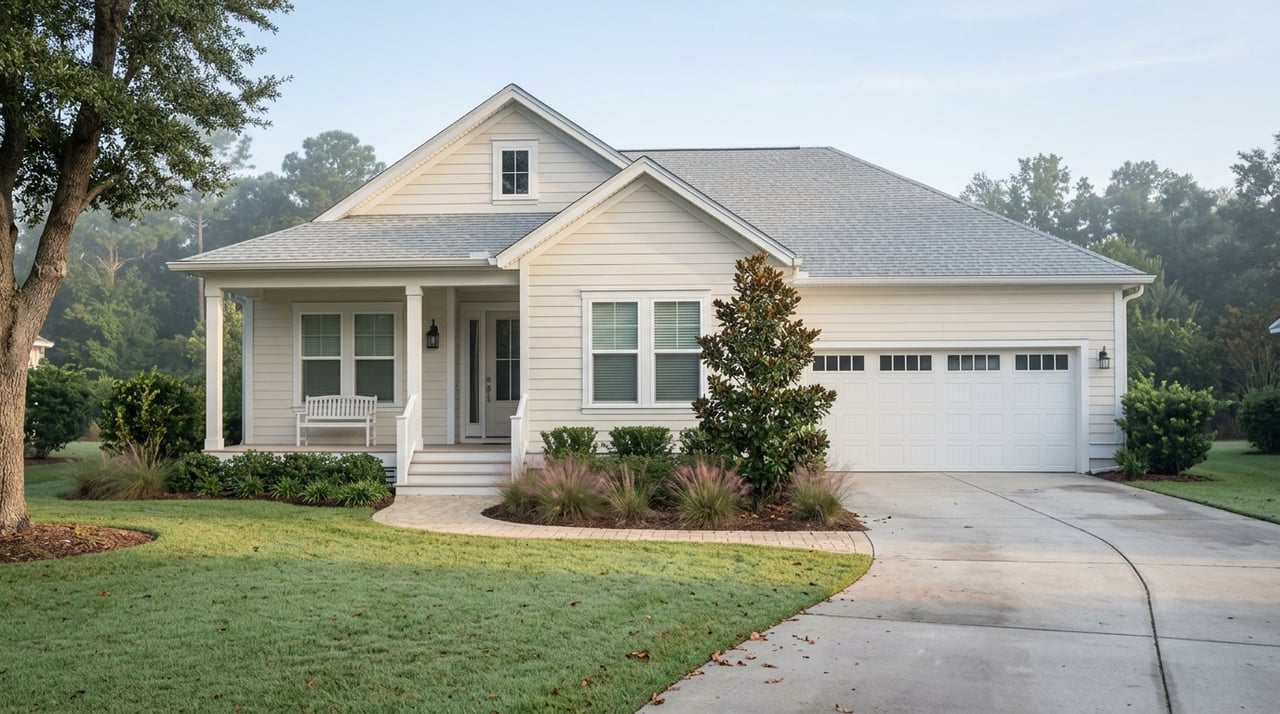
Single-family homes
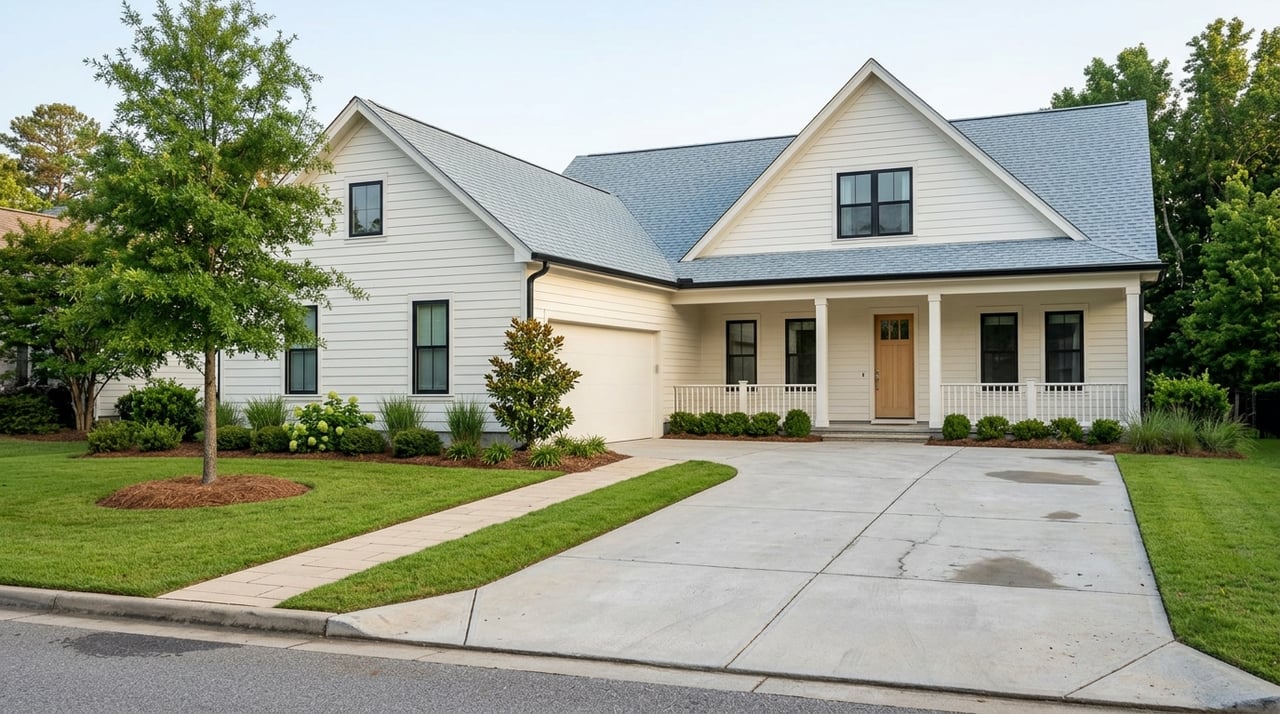
If you want a private yard, more interior space, and room for pets or hobbies, a detached single-family home can be a great fit. These homes make up much of Chesapeake’s housing stock and often appeal to long-term owners. National buyer trends show that space and neighborhood factors are top priorities for many purchasers, which supports strong demand for this style over time, based on NAR buyer highlights.
- Budget cues: Many single-family homes list at or above the city median, with wide spreads by neighborhood and age of construction. Newer subdivisions and larger lots tend to command higher prices.
- Maintenance: You handle the roof, exterior, yard, and any septic if applicable. A common rule of thumb is to set aside 1 to 3 percent of the home’s value per year for upkeep, as outlined in this homeownership cost guide.
- Resale: Broad buyer appeal helps with resale. Neutral factors such as school options, property condition, and lower flood risk can support marketability. To explore schools in a neutral way, you can review Chesapeake listings by zones and consult GreatSchools’ Chesapeake overview.
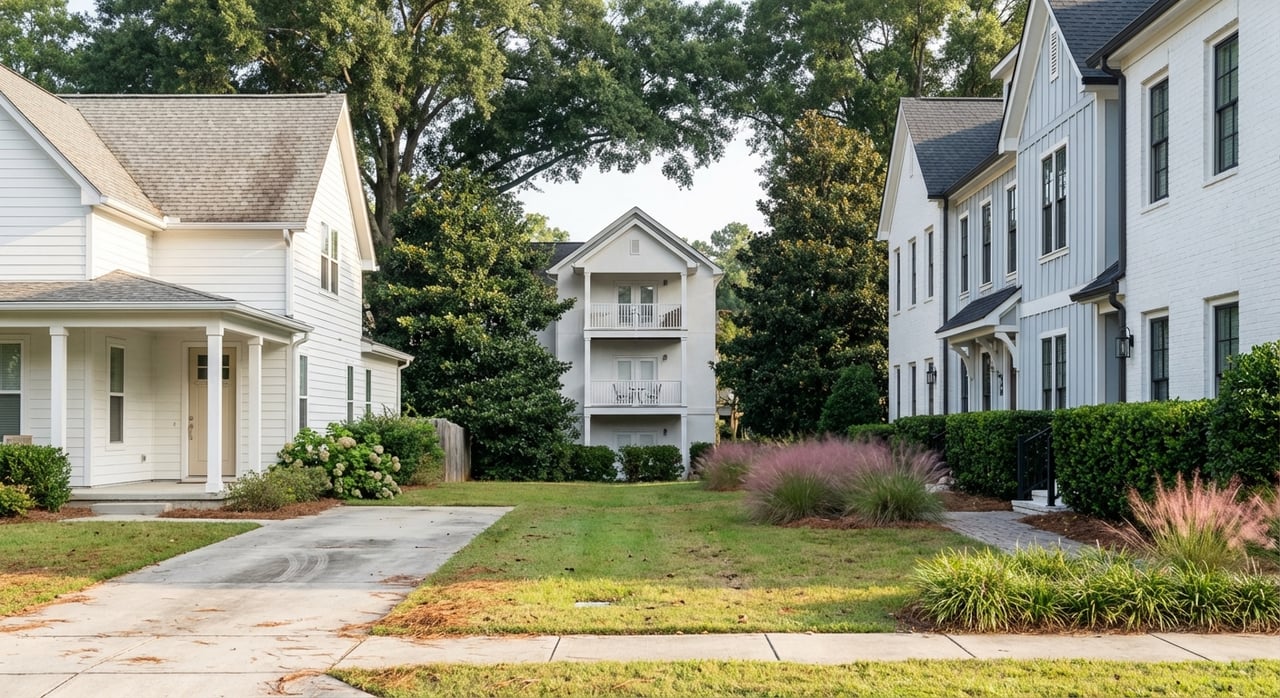
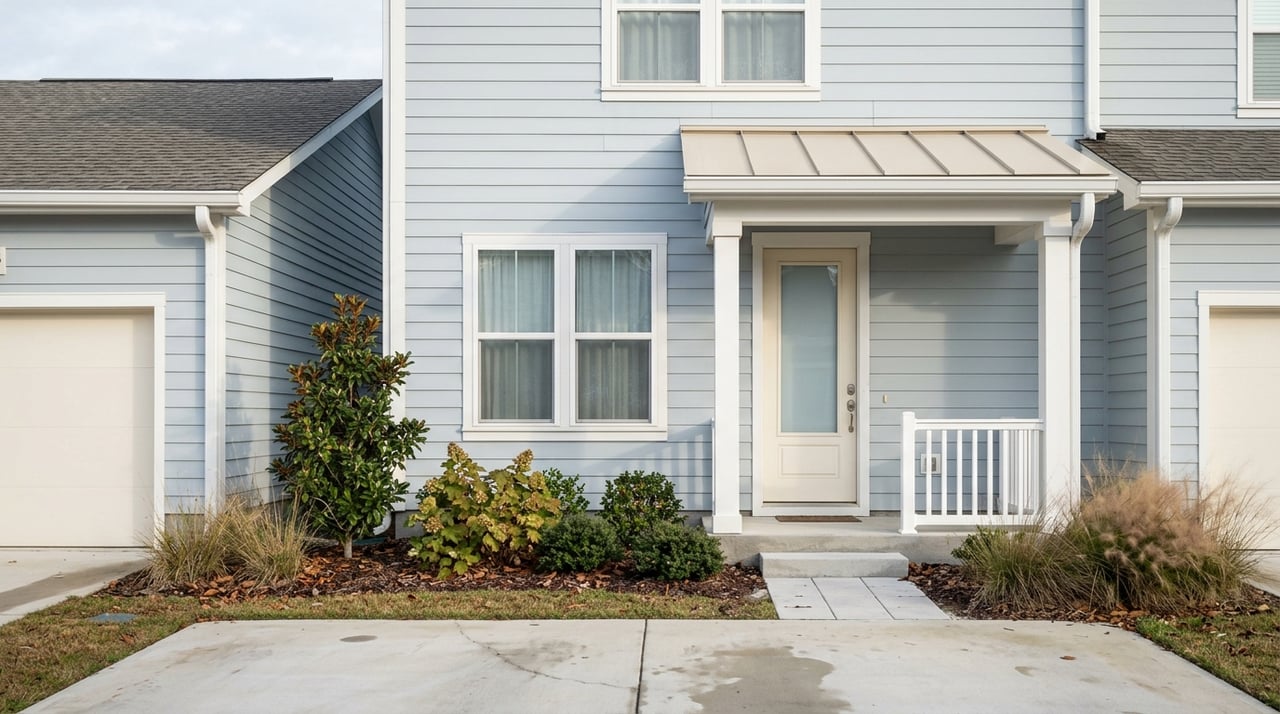
Townhomes
Townhomes offer a balance of space and convenience. You typically get more square footage than a condo with less exterior work than a detached home. Most townhome communities in Chesapeake include a homeowners association that maintains common areas and may cover parts of the exterior. For a clear overview of how townhomes compare with other attached options, see this townhouse basics explainer.
- Budget cues: Prices vary by area, build year, and amenities. HOA dues can range from the low hundreds per month to several hundred, depending on services and features. Always confirm current dues and what they include.
- Maintenance: The HOA often handles landscaping and some exterior elements, but specifics vary. Review the governing documents carefully.
- Resale: Condition and HOA health are key. Well-maintained communities with solid reserves typically sell more smoothly. Use the document checklist below to evaluate HOA strength.
Condos
Condos deliver the lowest exterior maintenance and can be the most affordable entry point into the market. Some communities emphasize amenities like pools and fitness rooms. This style can suit first-time buyers, downsizers, and commuters who prefer a lock-and-leave lifestyle.
- Budget cues: Condo dues are often higher than townhome dues because the association insures and maintains the building structure and shared systems. National context shows many condos falling in the 200 to 500 plus dollars per month range, as explained in this HOA fee overview. Local fees vary by building.
- Maintenance: Owners handle the interior of the unit, while the HOA manages the building exterior and common elements. Review the master insurance policy limits and deductibles before binding your own coverage.
- Resale: Financing options and building condition can affect resale. Ask for association financials and any litigation disclosures during your contract period. The HOA document guide shows what to request and why.
Costs that shape your choice
Choosing the right home style means weighing total monthly cost, not just the mortgage. In Chesapeake, plan for:
- Property taxes. The FY2025–26 rate is $1.01 per $100 of assessed value. Check totals and payment schedules with the Real Estate Assessor’s office.
- HOA dues. Townhomes and condos carry monthly or quarterly dues, which vary widely by services and amenities. Confirm current amounts and any planned increases.
- Homeowners insurance and flood insurance. Standard homeowners policies exclude flood coverage. If a property sits in a Special Flood Hazard Area, lenders will require flood insurance. Start with FEMA FloodSmart’s basics.
- Routine maintenance. Budget 1 to 3 percent of your home’s value per year for repairs and upkeep, adjusted for age and condition. See this ownership cost guide for planning tips.
Example tax estimate: For a home assessed at $425,000, the annual city property tax would be about $4,292.50 at the current rate, which is $425,000 divided by 100 then multiplied by $1.01. Your actual bill depends on the official assessment, any exemptions, and current rates.
Flood and insurance check
Water proximity is part of life in Hampton Roads, which means flood exposure should be part of your due diligence.
- Start with the city’s Floodplain Management portal to see if the property sits in a mapped flood zone and whether an elevation certificate exists.
- Use FEMA FloodSmart to learn coverage basics and find the FEMA Map Service Center. Under Risk Rating 2.0, premiums reflect property-specific factors such as elevation and distance to water. Many policies have a 30-day waiting period, so get quotes early.
- For regional context on tidal flooding and long-term sea level rise scenarios, explore VIMS resources.
If a home is in a Special Flood Hazard Area, a lender will require flood insurance. Even outside mapped zones, some buyers choose optional flood coverage to reduce risk.
Neighborhood patterns to know
Chesapeake offers a range of settings, from established neighborhoods with mature trees to newer planned communities. Several patterns can help narrow your search:
- Grassfield. Known for recent and new construction, master-planned communities, and larger single-family footprints. New mixed housing is underway in parts of this area, such as the rezoned Springton at Grassfield, as noted in this developer announcement.
- Greenbrier. A central hub with a mix of single-family homes, townhomes, and condos, plus strong retail and service access. This area often appeals to buyers who want convenience.
- Great Bridge, Deep Creek, and Western Branch. These submarkets blend older single-family homes with pockets of townhome and condo product. Lot sizes and prices vary, which gives you options at different budgets.
Across the city, the suburban layout and a typical 25 to 26 minute commute, based on Census QuickFacts, make Chesapeake attractive if you want more space compared with denser neighboring cities.
Quick buyer checklist
Use this concise list to stay focused while you search.
Verify current prices and days on market for the neighborhoods you like. Market numbers move month to month, so refresh them before you write an offer.
Run flood maps on every property you are serious about. Check the city portal, then confirm with FEMA’s resources. Ask for any elevation certificate if the home is in a Special Flood Hazard Area.
If the home belongs to an HOA, request the CC&Rs, bylaws, current budget, recent financials, reserve study, 12 to 24 months of meeting minutes, insurance certificates, management contract, estoppel or resale certificate, and any litigation disclosures. The HOA document guide explains exactly what to look for.
Build a full monthly cost picture. Add HOA dues, a flood insurance estimate if needed, homeowners insurance, and property taxes using the current city rate from the Real Estate Assessor.
Match property type to lifestyle. Detached homes offer space and privacy, townhomes reduce exterior chores with an HOA, condos minimize maintenance but often carry higher dues. For a quick comparison, see this townhouse overview.
Keep resale signals in view. Neutral factors like school options, community condition, HOA health, and flood exposure influence buyer demand, as reflected in NAR buyer priorities and FEMA FloodSmart guidance.
How to choose your fit
Start with your non-negotiables, then layer cost and maintenance.
- Space and layout. List your must-haves, like bedroom count, office space, or a fenced yard. If you value outdoor living or room for gear, a detached home may be worth the upkeep.
- Time and upkeep. If yard work or exterior maintenance does not fit your routine, a townhome or condo with HOA services may serve you better. Just confirm what the HOA covers.
- Total monthly cost. Compare mortgage, taxes, insurance, HOA dues, and estimated maintenance. Condos can have lower prices but higher dues, while single-family homes may flip that balance.
- Risk and insurance. Check flood exposure on every property, then price out coverage if needed. Get these numbers before you write an offer so there are no surprises.
- Resale lens. Choose neutral, fact-based criteria to support long-term value, such as property condition, neighborhood upkeep, HOA reserve strength, and verified school zoning information from sources like GreatSchools.
If you are torn between two styles, tour examples of each in the same area and compare real monthly costs side by side. The right choice is the one that supports your everyday routine and protects your budget.
Ready for local guidance?
Choosing a home style is easier with a clear plan and a trusted advisor. If you want help comparing neighborhoods, HOA rules, and true monthly costs, reach out to Kristie Weaver. You will get step-by-step support and a strategy tailored to your goals.
FAQs
What is the average home price in Chesapeake right now?
- Recent market sources placed the median sale price in the low to mid $400,000s, about $410,000 to $430,000 as of late 2025 to January 2026. Prices change monthly, so refresh the data before you write an offer.
How do HOA fees work for townhomes and condos in Chesapeake?
- HOAs charge dues that cover shared services and amenities, from landscaping to building insurance. Townhome dues often cover grounds and some exterior items, while condo dues are typically higher because they insure and maintain the building envelope. Always request full HOA documents to confirm coverage and reserves.
Do I need flood insurance to buy in Chesapeake?
- If the home is in a FEMA Special Flood Hazard Area, your lender will require a flood policy. Even outside mapped zones, some buyers choose optional flood coverage. Check the city’s flood maps and review FEMA FloodSmart guidance early, since many policies have a 30-day waiting period.
What are typical property taxes for a $450,000 home in Chesapeake?
- At the FY2025–26 rate of $1.01 per $100 of assessed value, the annual property tax would be about $4,545 on a $450,000 assessment. Confirm your exact bill with the Real Estate Assessor.
Which Chesapeake areas have more new construction options?
- You will find clusters of newer and planned communities in areas like Grassfield. A recent example is the rezoning for Springton at Grassfield, noted in this developer announcement. Availability changes often, so check current inventory.